at home leg workouts : 20-min routines that work 2026
Introduction Why at home leg workouts Matter
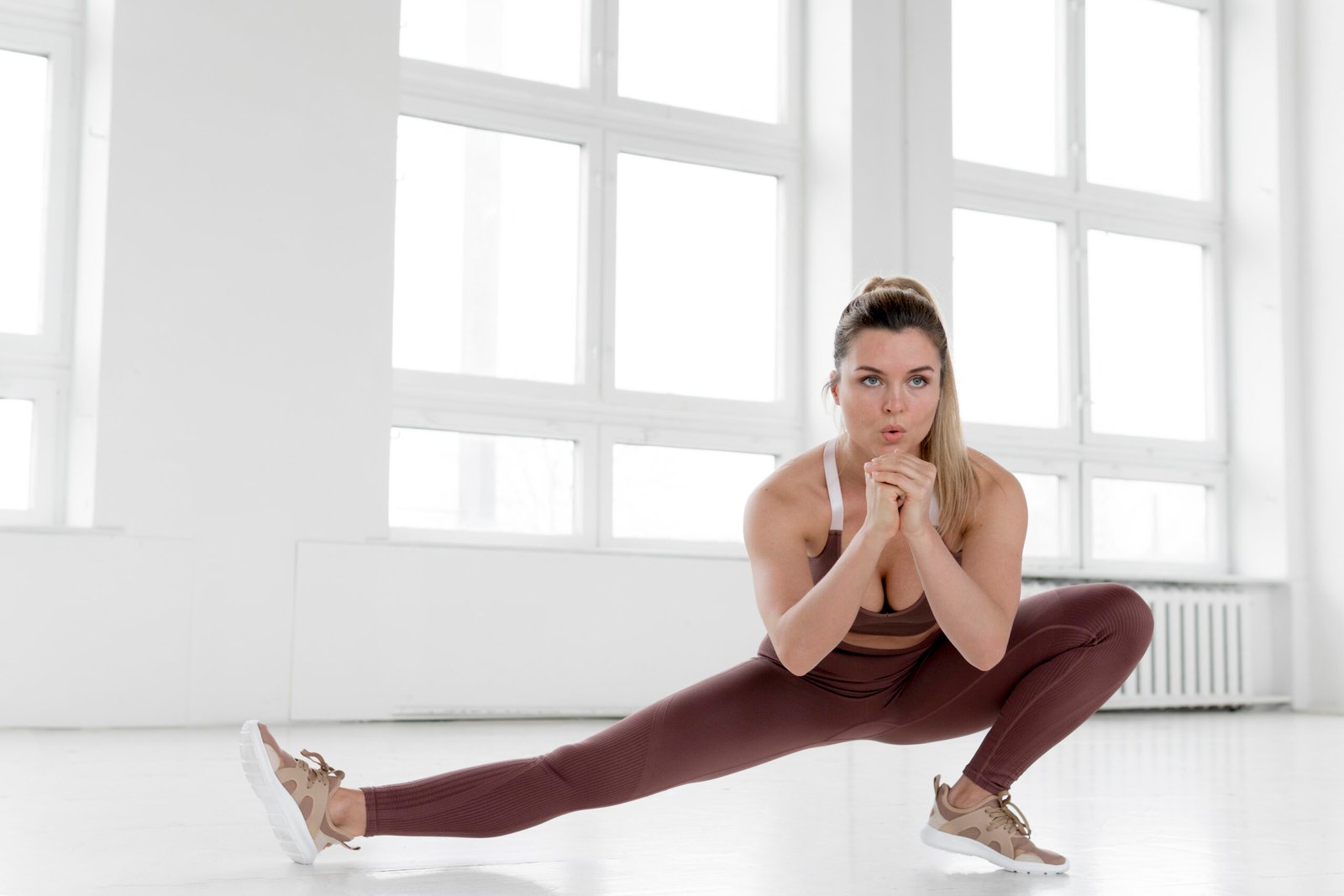
Legs are more than limbs they’re the pillars that hold your daily life. When you choose at home leg workouts, you’re choosing mobility, confidence, and the ability to move freely without excuses. This article is a warm hand taking yours: step-by-step, honest, and emotional because building strong legs feels like reclaiming parts of yourself.
The Emotional Pull: Legs That Carry Your Life
Have you ever felt small joy when you climb stairs without pain or lift a heavy grocery bag effortlessly? Those moments are the quiet rewards of leg strength. Training legs at home isn’t just about aesthetics; it’s about feeling capable, grounded, and unstoppable. Think of every rep as a small promise kept to yourself.
What You’ll Gain: Strength, Confidence, and Freedom
Do you want legs that turn heads or legs that let you run with your kids? Both are valid. At home leg workouts give you:
- Functional power for daily tasks.
- Better posture and balance.
- A metabolism-friendly boost from large-muscle training.
- Emotional resilience because finishing a tough set reminds you you can do hard things.
Safety First: Warm-Up and Mobility Basics
Before you hit the heavy feeling of a squat, invite your body to wake up. Warm-ups aren’t optional they’re your insurance policy.
Simple Warm-Ups to Wake Your Legs
- 2–3 minutes of marching in place or light jogging.
- 10 leg swings per side (forward/back, then side-to-side).
- 30 seconds of ankle rolls each foot.
Mobility Moves That Save Your Knees
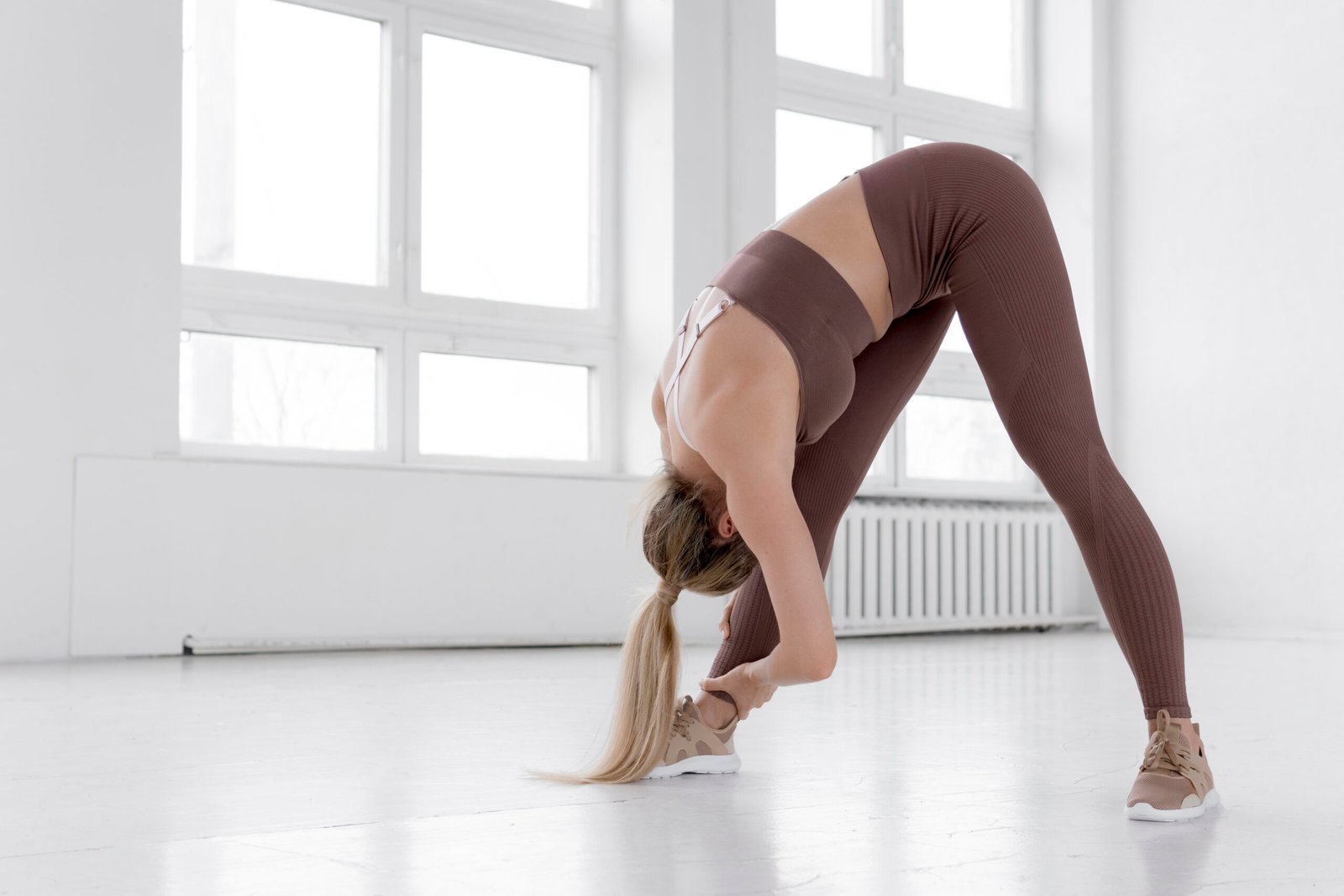
- Deep squat hold for 20–30 seconds to open hips.
- 5 slow lunges with focus on hip extension.
- Calf stretch on a step for 30 seconds per side.
The Core At-Home Leg Workout No Equipment Needed
Here are exercises you can do anywhere, from living room to balcony. Aim for 3 rounds of the circuit to start, increasing as you get stronger.
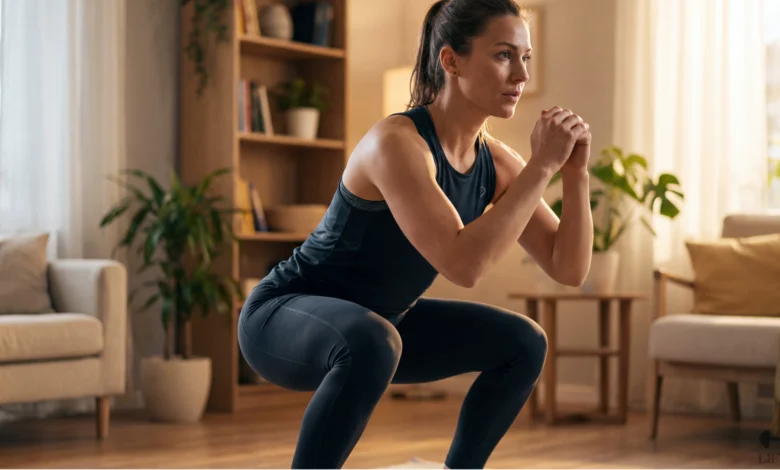
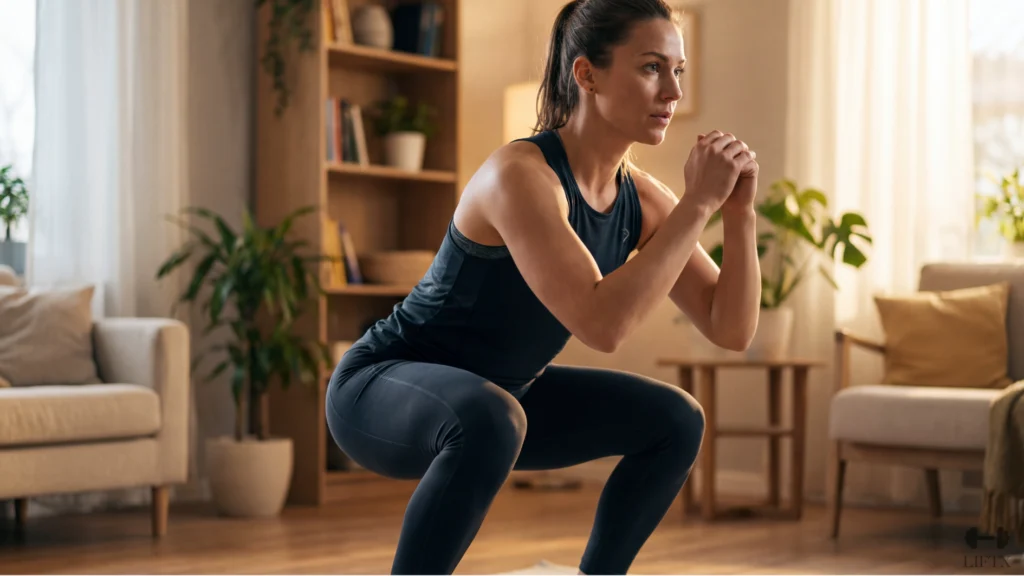
Bodyweight Squats
- Stand shoulder-width, toes slightly out.
- Push hips back, keep chest up, lower until thighs are at least parallel.
- Drive through heels to stand.
- 12–20 reps.
Why they matter: Squats are the king of leg moves they target quads, glutes, hamstrings, and your core. They teach squat mechanics for every other move.
Reverse Lunges
- Step back with one foot and lower knee toward floor.
- Keep torso tall, lead knee behind toes.
- Alternate sides, 10–15 reps each leg.
Emotional tip: Reverse lunges feel like stepping away from fear steady, controlled, powerful.
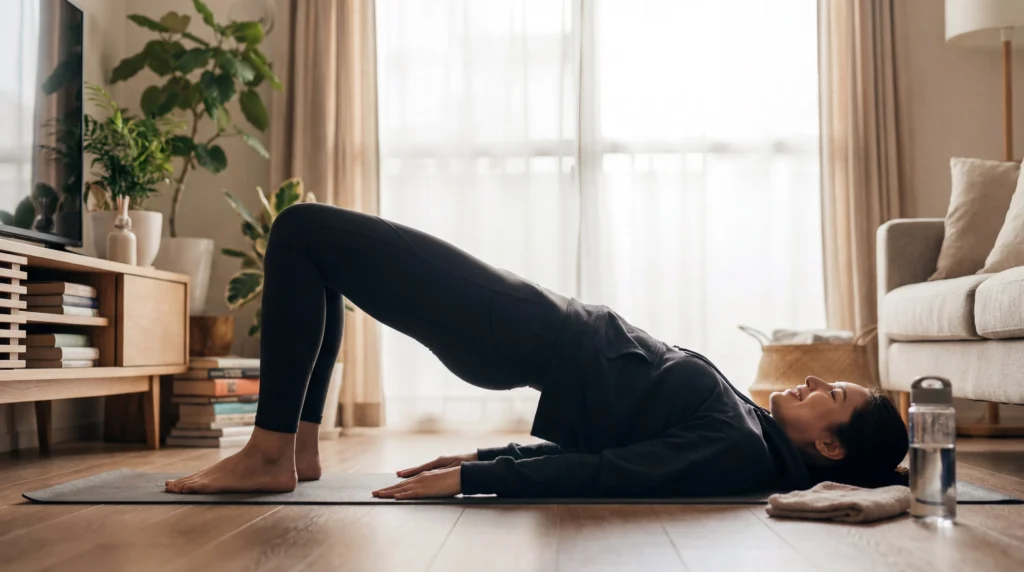
Glute Bridges
- Lie on back, feet hip-width.
- Drive hips up, squeeze glutes, pause, lower slowly.
- 15–20 reps.
Why: Glute bridges target the posterior chain essential for posture, low-back relief, and athletic power.
Advanced At-Home Options (Minimal Equipment)
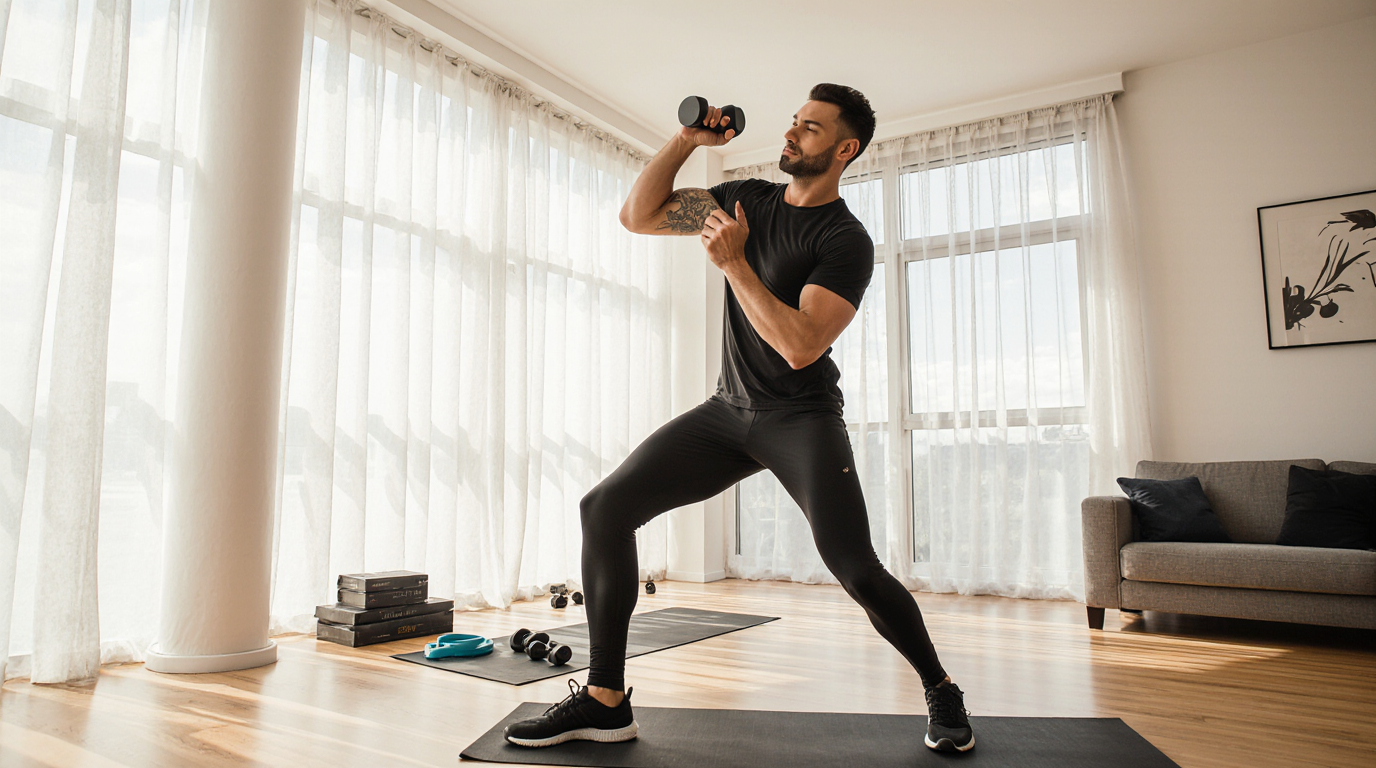
Want to push harder? A single band or pair of dumbbells goes a long way.
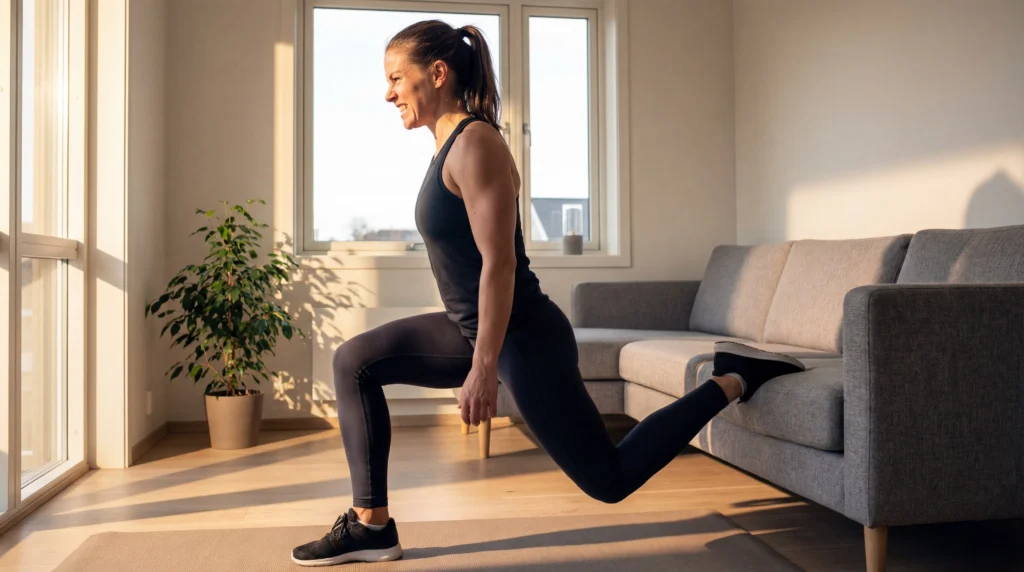
Bulgarian Split Squat
- Back foot on elevated surface (chair/couch).
- Lower into a deep lunge; front knee tracks over toes.
- 8–12 reps each leg.
Why: Insane single-leg strength and balance move. It feels scary at first but then addictive.
Single-Leg Romanian Deadlift
- Standing on one leg, hinge at hips and reach toward floor while keeping back flat.
- Use bodyweight or hold a dumbbell/water jug.
- 8–12 reps each side.
Why: Builds hamstrings, balance, and that lovely long posterior line on the leg.
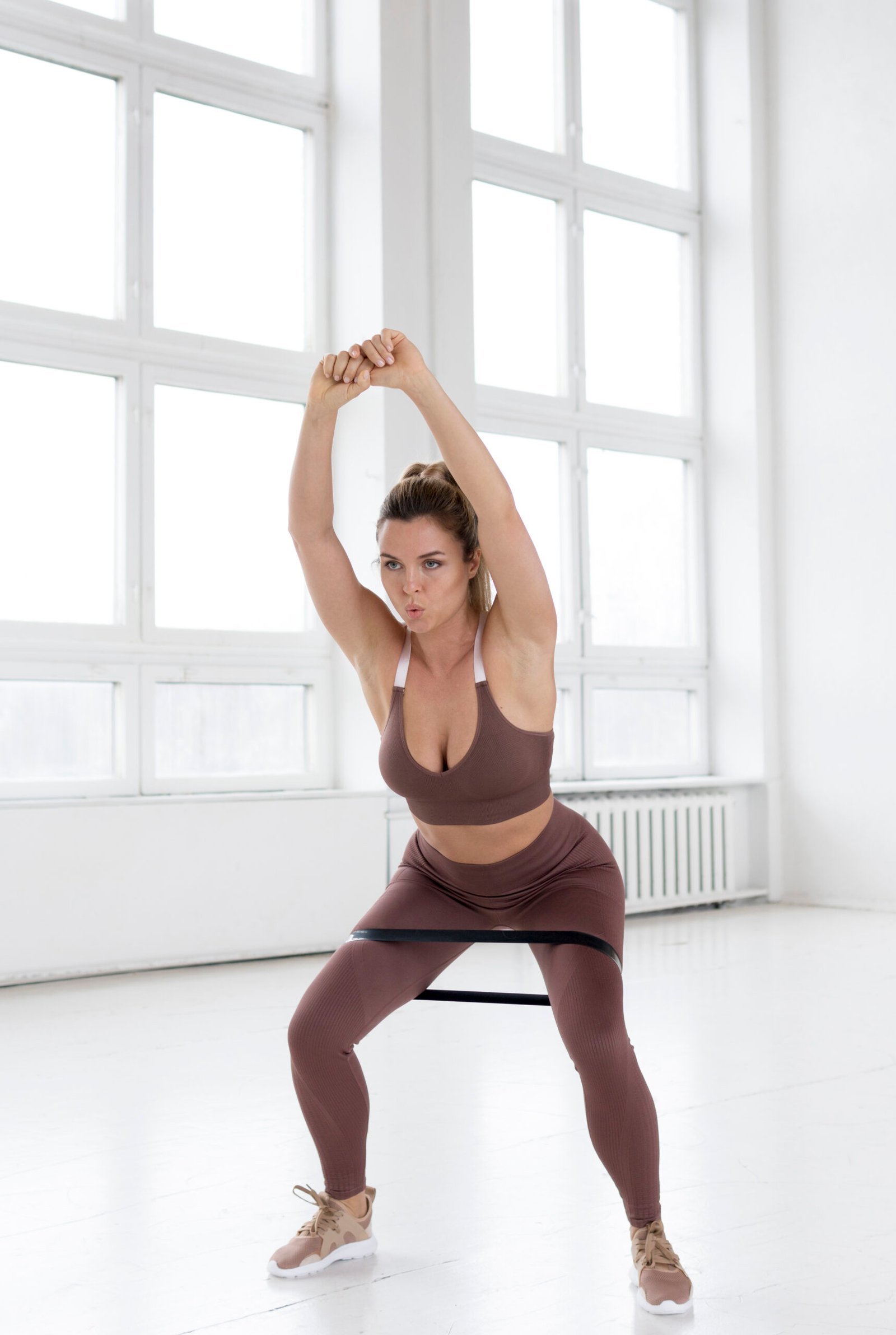
Resistance Band Side Steps
- Loop band above knees or at ankles, step side to side with tension.
- 20 steps each direction.
Why: Glute medius activation crucial for knee health and athletic aesthetics.
Workout Templates for Different Goals
Everyone trains for something different. Pick the template that makes your heart beat faster.
Strength Focus
- 4 sets of Bulgarian split squats (6–8 reps).
- 4 sets single-leg RDL (6–8 reps).
- 3 sets glute bridges (10–12 reps, heavy).
Aim: Lower reps, higher load or intensity. Rest 90–120 seconds between sets.
Fat Loss / Conditioning
- Circuit: 45s squat jumps, 45s alternating lunges, 45s mountain climbers 3 rounds.
- Minimal rest.
Aim: Keep heart rate high and legs burning. Combine strength with cardio.
Tone & Shape
- 3 sets of 15–20 bodyweight squats.
- 3 sets of 15 glute bridges.
- 3 sets banded side steps (20 each).
Aim: Moderate reps, focus on mind-muscle connection and time under tension.
Weekly Plan 4 Example Routines
Structure helps consistency. Here are compact plans you can adapt.
Beginner Week
- Monday: Strength circuit (bodyweight).
- Wednesday: Mobility + light cardio.
- Friday: Lower-body circuit again.
Intermediate Week
- Monday: Bulgarian split squats + RDLs.
- Tuesday: Light conditioning.
- Thursday: Plyometrics + glute focus.
- Saturday: Mobility + recovery.
Quick 20-Minute Blast
- 5 min warm-up.
- 12 min AMRAP: 10 squats, 8 reverse lunges, 12 glute bridges.
- 3 min cool-down.
Recovery & Mobility Day
- Foam roll quads, hamstrings, glutes.
- 10 minutes of yoga-style stretches.
Progression How to Keep Getting Stronger
Stagnation is the enemy. Progress in small, intentional steps.
Add Reps, Sets, or Tempo
- Increase reps by 2–4 per exercise every week.
- Slow the eccentric (lowering) phase to 3 seconds to increase challenge.
Use Household Weight Hacks
- Fill backpacks with books for added resistance.
- Hold water jugs, milk cartons, or heavy suitcases for goblet squats.
Pro tip: If it feels easy for 3 consecutive workouts, increase the challenge.
Nutrition & Recovery Tips for Leg Gains
You can train perfectly and still stall if nutrition or recovery are ignored.
Protein, Sleep, and Hydration
- Aim for ~0.7–1.0 g protein per pound of bodyweight for muscle maintenance/gain.
- Prioritize 7–9 hours of sleep.
- Hydrate; muscles cramp and repair better when you drink.
Foam Rolling and Stretching
- Spend 5–10 minutes foam rolling quads and glutes after a workout.
- Stretch hamstrings & hip flexors 2–3 times weekly to maintain range of motion.
Common Mistakes and How to Fix Them
Everyone slips up here’s how to course-correct.
Knees Over Toes Myth
- The blanket rule “knees must never go past toes” is oversimplified. Focus instead on controlled movement and no sharp pain. If you have knee pain, reduce range and strengthen surrounding muscles first.
Hunching, Shallow Range of Motion
- Keep chest up, and don’t half-rep your way through workouts. Full range builds strength and long-term resilience.
Motivation Tricks Keep Showing Up
Consistency beats intensity. Here’s how to show up when you don’t feel like it.
Mini Rituals and Cues
- Lay out your workout clothes the night before.
- Play a 20-minute playlist reserved for leg days only.
Measure Progress Beyond the Scale
- Track how many reps you can do, how your balance improves, or how stairs feel. Celebrate small wins they add up.
Sample 8-Week Plan From Couch to Confident
Weeks 1–2: Focus on movement quality bodyweight squats, bridges, and lunges.
Weeks 3–4: Increase volume add sets or second session.
Weeks 5–6: Introduce unilateral work (single-leg RDL, Bulgarian split).
Weeks 7–8: Add intensity higher resistance, tempo changes, plyometrics.
Outcome: Stronger legs, better posture, and renewed confidence.
Gear Guide What’s Worth Buying (and What’s Not)
You don’t need fancy gear to start, but these items are helpful.
Bands, Dumbbells, and Mats
- Resistance bands: cheap, portable, and versatile.
- Adjustable dumbbells: if you can invest, they scale with you.
- Mat: comfort for floor work.
What’s not necessary: expensive machines or memberships if your goal is functional strength.
FAQs
Q1: How often should I do at home leg workouts ?
Aim for 2–3 focused leg sessions weekly with active recovery days in between. Listen to soreness and adjust intensity.
Q2: Will at home leg workouts help me gain muscle without heavy weights?
Yes with progressive overload (more reps, slower tempo, single-leg work), bodyweight and bands can build muscle and shape.
Q3: Can I lose belly fat with at home leg workouts?
Leg workouts boost calorie burn and metabolism, contributing to fat loss when combined with a calorie-controlled diet and cardio.
Q4: What if I have knee pain?
Prioritize mobility and low-impact exercises (glute bridges, partial lunges), consult a professional if pain persists, and focus on strengthening hips and quads.
Q5: How do I stay motivated to train at home?
Create tiny rituals, track non-scale progress (strength, mobility), and set emotional reasons for training imagine how you’ll feel stronger and freer.
Conclusion Your Legs, Your Story
You don’t need a gym to transform your legs you need patience, a plan, and compassion for the process. At home leg workouts are more than sets and reps; they’re daily acts of care. When you push through the burn, you’re telling yourself a vital truth: you matter, and you can change. Keep the small promises show up for ten minutes today, then fifteen tomorrow and watch confidence grow like muscle fibers do under tension: slowly, beautifully, and irreversibly.