Best Pre-Workout Snacks for Home Exercise That Boost Energy 2025
Best Pre-Workout Snacks for Home Exercise
Working out at home should feel empowering, not draining. And guess what fuels that power? The right pre-workout snack. Whether you’re doing a quick HIIT session or a slow, focused strength routine, what you eat beforehand plays a huge role in how strong, energized, and motivated you feel.
Let’s dive into the best pre-workout snacks that give your body the push it needs without weighing you down.
Why Pre-Workout Snacks Matter
Fueling Your Energy Levels
Think of your body like a car. You wouldn’t start a journey with an empty tank, right? A good pre-workout snack gives your body the fuel it needs to kick off strong.
Supporting Muscle Performance
Your muscles work hard when you exercise. Feeding them before your workout helps them respond better, stay active longer, and recover faster.
Avoiding Mid-Workout Fatigue
No one likes that sudden mid-workout crash. The right snack keeps your energy stable, so you feel strong from start to finish.
What Makes a Great Pre-Workout Snack?
Balanced Carbs for Quick Energy
Carbs are your body’s favorite source of fast fuel. Choose simple, clean carb sources that digest easily.
Carbohydrates are the body’s fastest and most reliable source of fuel, according to research from Harvard Health.
Protein to Support Muscles
A touch of protein helps your muscles stay strong during your workouts and recover well afterward.
For more detailed ideas on Best Pre-Workout Snacks for Home Exercise, visit our meal prep guide.
Healthy Fats in Small Amounts
A little fat is fine, but too much can slow digestion. Keep it light!
Easy-to-Digest Ingredients
Your snack should energize you not sit heavy in your stomach.
If you’re looking for simple guidance on what to eat before a home workout, Verywell Fit offers a clear breakdown of the best Pre-Workout Snacks for Home Exercise and why they boost your performance. Their article explains how combining fast-digesting carbs with a little protein can raise your energy, prevent mid-workout fatigue, and help your muscles respond better during training. It’s a helpful resource if you want to understand exactly why snacks like bananas, oatmeal, yogurt, or fruit-nut combos give your body the perfect push before exercising at home
Top Pre-Workout Snacks for Home Exercise
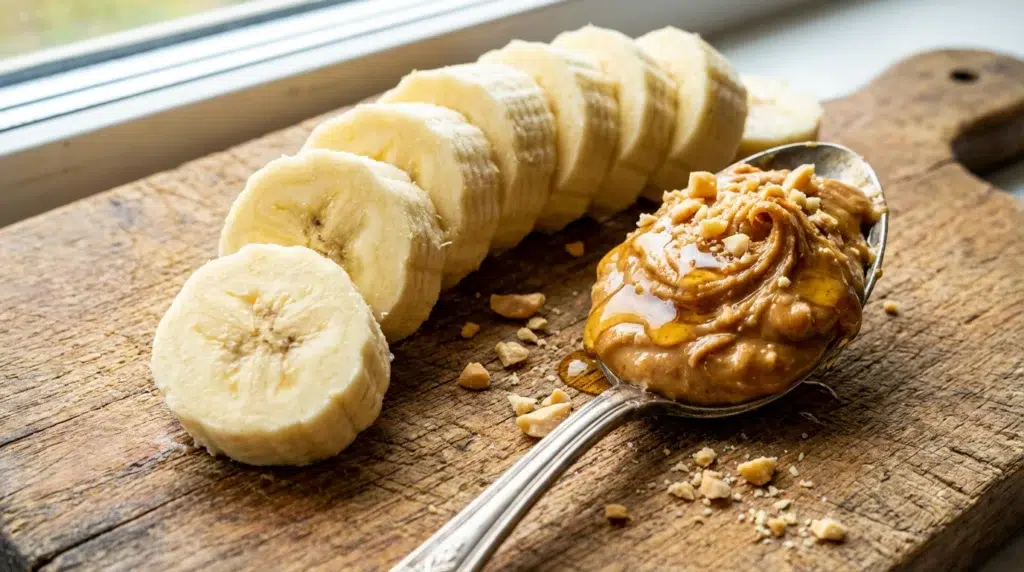
Banana with Peanut Butter
Why It Works
Bananas give quick energy, and peanut butter adds protein and good fats. Perfect balance.
Greek Yogurt with Honey
The Perfect Sweet Boost
Creamy, rich in protein, and naturally sweet. This combo is energizing without being too heavy.
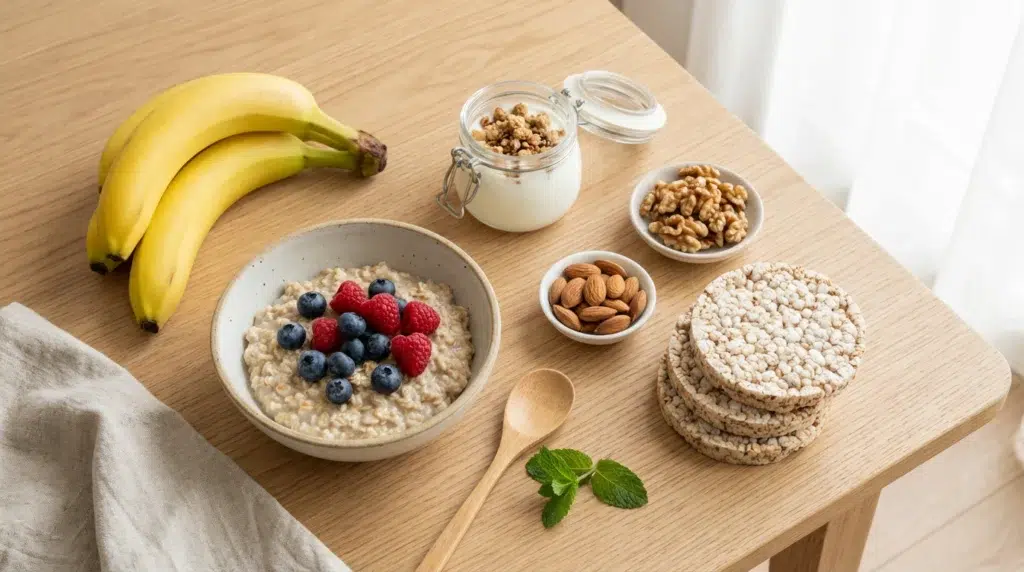
Oatmeal with Berries
Slow-Releasing Energy
Oats fuel you with long-lasting carbs, and berries add antioxidants and natural sweetness.
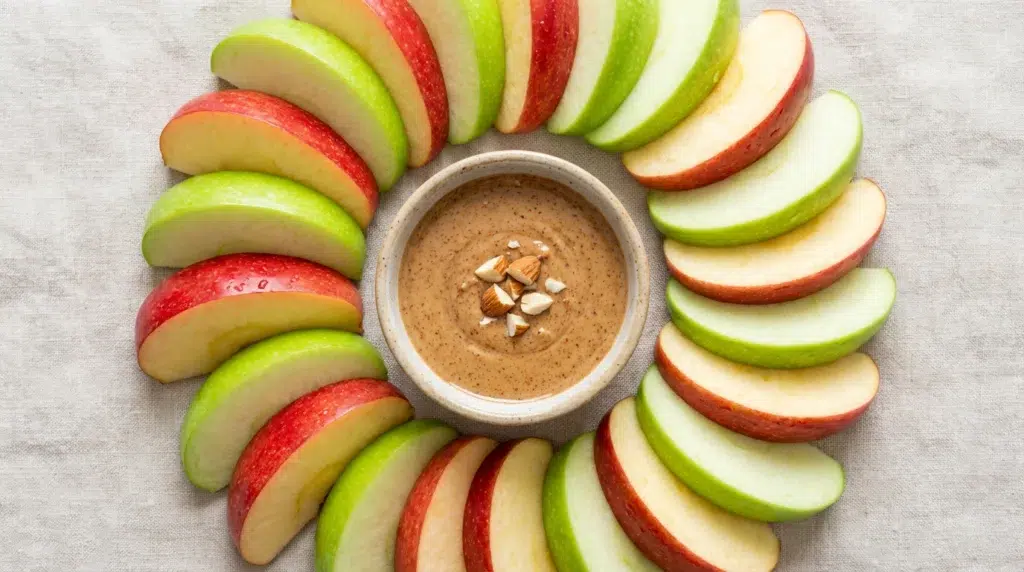
Apple Slices with Almond Butter
Light and Energizing
Crisp apples + creamy almond butter = clean fuel that won’t weigh you down.
Rice Cakes with Nut Spread
Quick, Crunchy, and Efficient
Low-calorie but energizing. Add almond or peanut butter for a satisfying boost.
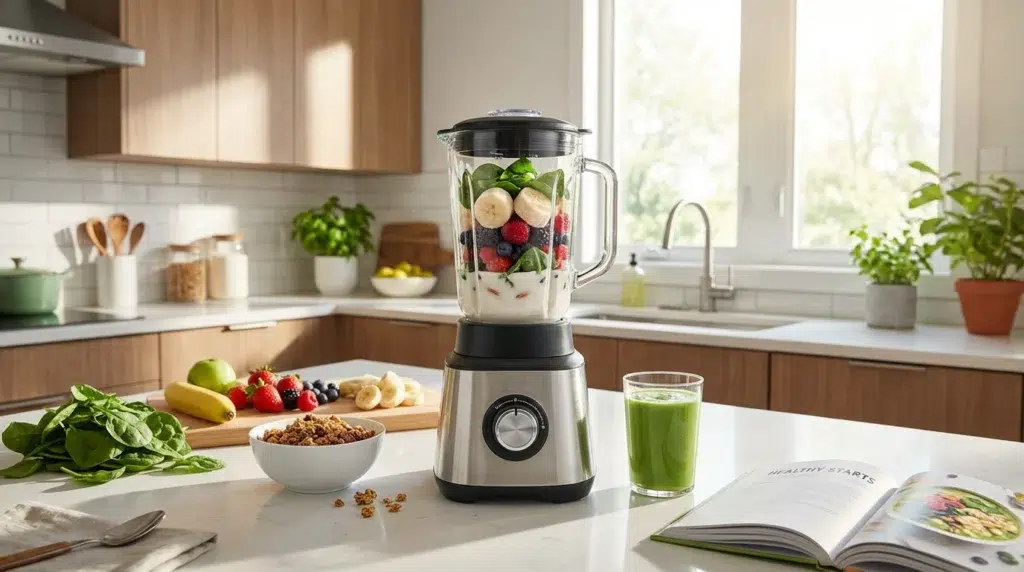
Smoothies
Quick Nutrition in a Cup
Blend fruits, yogurt, or plant milk for a fast, easy-to-digest pre-workout meal.
Dates and Nuts
A Natural Sugar Kick
Dates offer quick natural sugar, while nuts give staying power.
Whole-Grain Toast with Avocado
Healthy Fats + Clean Energy
Avocado adds creamy texture and healthy fats that support endurance.
Cottage Cheese with Fruit
Protein that Stays with You
A great option when you want something light but long-lasting.
When Should You Eat Pre-Workout Snacks?
30–60 Minutes Before Training
This is the ideal window for most people. Enough time to digest, but not too long that you lose energy.
Snacks for Early-Morning Workouts
Choose something very light like a banana or dates so you don’t feel sluggish.
Snacks for Afternoon or Evening Workouts
You can enjoy a more substantial snack since your body is already awake and active.
What to Avoid Before Exercising
Heavy Meals
They can make you feel bloated and slow.
Too Much Fat
It slows digestion and can leave you feeling uncomfortable.
Sugary Junk Snacks
They spike your blood sugar, causing an energy crash mid-workout.
Pre-Workout Snacks for Weight Loss Goals
Low-Calorie Options
- Apple slices
- Small smoothie
- Rice cakes
High-Fiber Choices
Fiber keeps you fuller longer and helps prevent overeating later.
Pre-Workout Snacks for Muscle Gain Goals
Protein-Focused Options
- Greek yogurt
- Cottage cheese
- Smoothies with protein powder
Carbs to Power Strength Workouts
Carbs help you push heavier and harder during strength training.
Hydration Tips Before Home Workouts
Water Intake
Drink at least one glass of water 15–30 minutes before exercising.
Electrolyte Options
If your workout is intense, a light electrolyte drink can help maintain balance.

Conclusion
The right pre-workout snack can turn a tired, low-energy workout into a powerful, uplifting session. Fuel your body with clean, energizing foods nothing too heavy, nothing too complicated. Just simple, wholesome snacks that help you feel ready, strong, and excited to move.
Your body deserves it. Your workout deserves it. And you deserve to feel amazing every time you exercise.
FAQs
1. Can I work out on an empty stomach?
Yes, but a small snack often boosts performance.
2. What’s the best quick pre-workout snack?
A banana is one of the best fast options.
3. Is coffee a good pre-workout drink?
Yes just don’t overdo it.
4. Should I eat different snacks for cardio and strength training?
Strength training benefits from more protein + carbs; cardio can be lighter.
5. How soon after eating can I start exercising?
Ideally 30–60 minutes, depending on the size of the snack.