Effective back exercises home workout 2025
Welcome to a guide on back exercises you can do at home. It’s perfect for any schedule and space. You’ll learn how to strengthen your back with little gear needed. This article covers safe, easy-to-follow options for all fitness levels in the U.S.

Here, you’ll see how to do bodyweight moves and use resistance bands and dumbbells. You’ll also get tips on adding core exercises for better posture. Expect simple workout plans, advice on sets and reps, and safety tips from experts.
This guide helps you reduce pain and improve daily activities. It also boosts your athletic performance. You’ll find step-by-step routines, how to get better, and recovery tips. It’s all about strengthening your back at home with confidence.
Key Takeaways
- back exercises home workout routines work with no equipment or simple tools like bands and dumbbells.
- Consistent back strengthening exercises improve posture, reduce pain, and boost daily function.
- Start with basic bodyweight moves and progress using bands, household items, or dumbbells.
- Follow safety and warm-up tips; consult a licensed physical therapist for pain or injury.
- Programs include clear sets, reps, and progression plans for beginners to advanced users.
Why Back Strength Matters for Everyday Life
Strong back muscles do more than improve your posture. The erector spinae, latissimus dorsi, rhomboids, and trapezius support the spine and help you move. Building back strength makes sitting, standing, lifting, and moving easier. Simple exercises at home can greatly improve your function and comfort.
Benefits of back strength
Stronger back muscles reduce slouching and lower pressure on the lumbar discs. Studies from the American College of Sports Medicine show strengthening can prevent chronic low-back pain. Regular exercises improve posture and prevent back pain during movement or lifting.
Benefits of a strong back for posture and pain prevention
A strong back supports an upright spine and keeps the rib cage and pelvis aligned. This reduces strain on spinal joints and soft tissue. People who exercise their back muscles report less fatigue and fewer back pain episodes. Strength training helps prevent back pain and reduces flare-ups over time.
How back strength improves athletic performance and daily tasks
Functional strength in the back enhances force transfer from legs to arms. This is crucial for sports like rowing, tennis, and baseball, where torso stability boosts power and accuracy. At home, tasks like lifting groceries or carrying a child become easier and safer with strong back muscles. Strong scapular muscles also improve shoulder control, reducing injury risk during overhead work.
Long-term health advantages of maintaining back muscle health
Keeping back muscles active preserves muscle mass and spinal stability as you age. This lowers fall risk and supports healthier discs by providing balanced support. Greater functional strength raises overall activity tolerance, improving metabolic health and reducing long-term care costs tied to chronic back conditions. Consistent, progressive home workouts build measurable benefits that protect mobility and independence.
Preparing for Your Effective Back Exercises Home Workout
Before starting, take a few minutes to plan and check your body’s movement. Good preparation for back workouts reduces risks and boosts results. A simple mobility check and a warm-up for back muscles make the workout safer and more effective.
Assessing your current fitness and mobility
Start with active range-of-motion tests: forward flexion, extension, and gentle rotation. Note any pain or limits. Try a one-minute plank to gauge core endurance and log hold times. Track baseline measures like reps, hold times, and pain levels so you can monitor progress.
Run a quick pain screen. Sharp, radiating leg pain or new numbness are red flags. If you see progressive weakness or unexplained weight loss, stop and get medical advice. Knowing when to see a physical therapist keeps recovery on track.
Warm-up routine to protect your spine
Spend 5–10 minutes on light cardio: marching in place, a brisk walk, or a short bike ride. Follow with dynamic drills: cat-cow for spinal mobility, thoracic rotations to free the mid-back, and hip hinges to teach proper bending at the hips.
Finish warm-up with activation moves for the scapular retractors. Use band pull-aparts with a light resistance band or perform wall slides to wake the muscles around the shoulder blades. These steps raise blood flow and prime tissues for work.
Essential safety tips and when to seek professional advice
Focus on spine protection tips while you train. Hinge at the hips rather than the lumbar spine. Keep a neutral spine and avoid excessive rounding during forward bends. Use slow, controlled tempos in your first sets to reinforce safe movement patterns.
Begin with lower volume and intensity and prioritize pain-free ranges. Use a mirror or phone video to check form. If unsure about technique or if you have serious symptoms, consult licensed professionals such as a physical therapist or a certified trainer from NASM or NSCA. Knowing when to see a physical therapist helps prevent setbacks and guides safe progression.
Effective Back Exercises Home Workout: Bodyweight Moves Anywhere
Bodyweight back exercises are perfect for any schedule and need little space. They work the back muscles, improve posture, and are great for gentle rehab or warm-ups.
Superman variations are a simple way to strengthen the back and glutes. Start by lying on your stomach, lifting your chest and legs for 2–5 seconds. Then, slowly lower back down. You can also add small weights or hold longer.
Superman variations and progressive options
Start with 8–12 reps of the basic move. For more challenge, try lifting one arm or leg at a time. Or, hold for 10–20 seconds. Adding a little weight helps build strength without straining.
Prone Y-T-I raises for upper back and scapular stability
Prone Y-T-I raises work the upper back and shoulder blades. Do them on a mat or stability ball. Move your arms into a Y, hold, then lower. Repeat for T and I shapes. Aim for 8–15 reps for each shape, lifting slowly.
These exercises improve shoulder control and help extend the upper back. They’re great for a warm-up or rehab. Focus on gentle movements, not heavy lifting.
Reverse snow angels for mid-back mobility
Reverse snow angels mobilize the mid-back and work the back muscles. Lie on your stomach or stand with your hips bent, then sweep your arms wide. You can add weights or bands for more challenge.
Do these exercises in sets of 2–3, with 8–15 reps each. Focus on smooth movements and proper form. This trio of exercises will help strengthen your back and improve posture.
Effective Back Exercises Home Workout Using Resistance Bands
Resistance bands can turn a small part of your living room into a great workout area. They are easy to carry, don’t cost much, and offer smooth resistance. Use these band patterns to work out your back like you would at the gym.
Seated or standing rows with bands
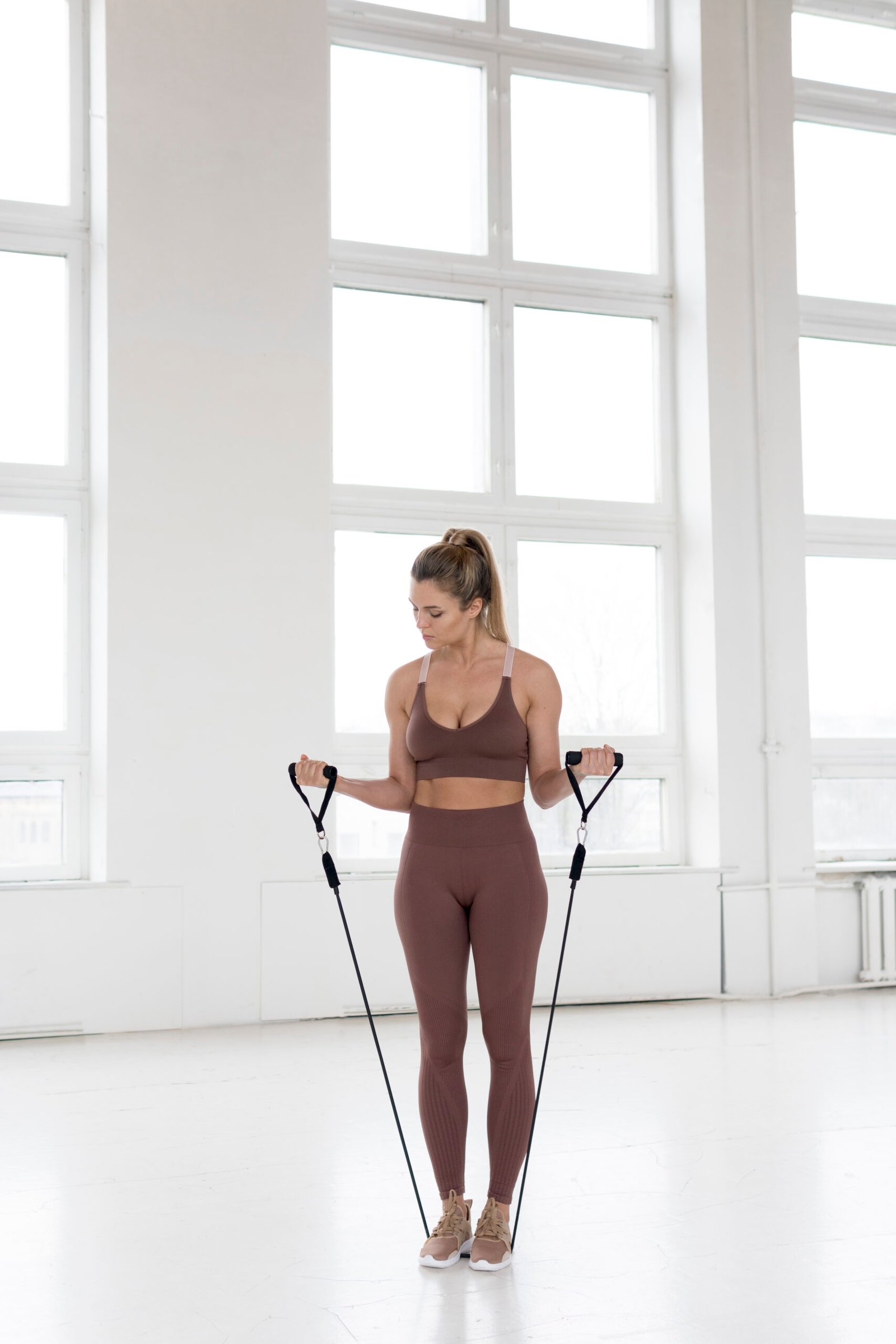
Start by anchoring the band in a door or around your feet. Keep your back straight and pull your elbows back towards your hips. Try to do 3 sets of 8–15 reps with a slow and controlled pace. You can make it harder by using a stronger band or doing more reps.
Band rows help you learn to pull your shoulders back and are good for all fitness levels.
Lat pulldown simulation and band pullover
To do a band lat pulldown, attach the band above you and pull down to your chest. Let your upper back extend a bit. For band pullovers, lie on the floor and pull the band from above down to your hips. Both exercises work your back muscles like gym equipment does.
Face pulls for rear delts and upper back balance
Attach the band at chest level and pull it towards your face with your elbows up. Focus on pulling your shoulders back and squeezing your back muscles. Do 3 sets of 12–20 reps to improve your posture and balance. Band face pulls are great for keeping your shoulders healthy and balanced.
Do band exercises 2 to 3 times a week. Mix pulling exercises with pushing ones to keep your shoulders stable. Check your home gym bands often for damage and replace any that are frayed to avoid accidents. Small habits like these help keep your workouts safe and consistent.
Effective Back Exercises Home Workout with Dumbbells & Household Items
Weighted moves make home training simple and effective. Use dumbbells, kettlebells, or common household loads like filled water jugs. These items help build strength and stability without a gym membership.
Single-arm dumbbell row
Start by bending at the hips and keeping your spine neutral. Place your other hand on a bench or chair for support. Pull the weight to your hip and squeeze your scapula at the top.
Do 3–4 sets of 6–12 reps on each side. Increase the weight or slow down the movement to build control and strength.
Kettlebell-style alternatives
Use a heavy backpack or grocery bag if you don’t have a kettlebell. Keep the same hip hinge and scapular control as with the dumbbell. Add weight slowly to avoid back strain and focus on proper form.
Suitcase carries and farmer carry variations
Carry a heavy object at one side to challenge your lateral core and spinal stability. Try a suitcase carry at home or a double-hand farmer carry. These work your grip, upper back, and traps.
Do 20–40 yards or 30–90 seconds per carry. Increase the distance, time, or load as you get more stable.
Renegade rows
Renegade rows combine a plank with unilateral rowing for core and back strength. Use light-to-moderate weight to prevent hip rotation. Keep your core braced, hips level, and pull each weight toward your ribcage with a controlled tempo.
Rest between sets to maintain proper form.
Bent-over row form
For bent-over rows, use a hip hinge, slight knee bend, and a neutral spine. Pull to the lower ribs while keeping your shoulders retracted. Do 3 sets of 6–12 reps with a controlled motion and steady tempo.
This reinforces technique and muscle growth.
Safety tips
- Prioritize the hip hinge and avoid rounding the lower back.
- Choose manageable loads for unilateral carries and rows.
- Progress weights slowly and focus on scapular control during each rep.
Core and Back Integration for Functional Strength
Working on the core and back together makes movements smoother and easier. It reduces strain and makes daily tasks simpler. Focus on exercises that connect the front and back of the body.
This approach improves spinal control and hip power. It makes lifting and walking safer.

Start with basic moves that focus on control. Use slow, controlled movements and deep breathing. Mix these exercises into full workouts to improve coordination and endurance.
Dead bug bird dog
Dead bug bird dog combos teach limb movement while keeping the spine straight. Do dead bug on your back, reaching opposite arm and leg. Keep your lower back to the floor.
Then, switch to bird dog on hands and knees. This loads the back muscles and trains the multifidus muscles.
Progress by adding weights or increasing hold times. Aim for 2–4 sets of 8–12 controlled reps for each pattern. This builds lasting control without getting tired.
Plank progressions for load and posture
Planks are more than just holding still. Try forearm, high plank, and side plank variations. These challenge scapular control and back tension.
Add shoulder taps or alternating leg lifts to increase stability demands. Cues include tucking the pelvis, squeezing glutes, and keeping the neck straight. Hold sets from 20 to 90 seconds based on your ability.
Glute bridge progressions
Glute bridge progressions focus on the hips, reducing lumbar load. Start with double-leg bridges, then move to marching bridge and single-leg bridge. Use an elevated surface for hip thrust variations when ready.
Focus on squeezing glutes at the top, controlled descent, and 8–20 reps per set. Complete 2–4 sets and increase difficulty before adding more reps.
Putting it together
Combine core and back exercises into paired sets like a row followed by a plank. Use tempo to increase time under tension and emphasize control during each phase. Watch for any rise in low back pain; regress to simpler spinal stability exercises if discomfort increases.
| Exercise | Target | Sets | Reps / Time | Progression |
|---|---|---|---|---|
| Dead Bug | Anterior core, lumbar control | 2–4 | 8–12 per side | Add ankle weights, slow tempo |
| Bird Dog | Posterior chain, multifidus | 2–4 | 8–12 per side | Hold longer, add wrist weight |
| Forearm/High/Side Plank | Scapular stability, posterior chain | 2–4 | 20–90 seconds | Shoulder taps, leg lifts |
| Glute Bridge | Glutes, sacroiliac support | 2–4 | 8–20 reps | Marching, single-leg, elevated thrust |
Programming Your Effective Back Exercises Home Workout Routine
Begin with a solid plan for your back workout. Set goals and adjust the intensity and volume to match them. Small tweaks in sets, reps, and rest can change the focus from strength to endurance or muscle growth.
Organize your sets, reps, and rest around three main goals. For strength, use 4–6 sets of 4–6 reps with 2–3 minutes rest. For muscle growth, aim for 3–4 sets of 8–12 reps with 60–90 seconds rest. For endurance or posture, do 2–3 sets of 12–20+ reps with 30–60 seconds rest.
Here are home workout templates you can customize based on equipment and time. Keep workouts short, focused, and regular. Always track the load and form each week.
Beginner: Do two full back workouts a week. Session A includes Y-T-I bodyweight, band rows, and glute bridges. Session B has supermans, band face pulls, and dead bug. Focus on technique with low volume.
Intermediate: Aim for two to three sessions a week. Session A includes single-arm dumbbell rows, lat pulldown with bands, and planks. Session B has renegade rows, face pulls, and hip thrusts. Add carries as accessory work.
Advanced: Do three sessions or split them into days. Include heavy bent-over rows, unilateral loaded carries, and high-volume band circuits. Periodize weeks and deload every four to six weeks.
Keep improving by applying progression strategies to back exercises. Gradually increase load, reps, or sets. A 5–10% weekly increase in volume is a good rule. Change tempo by slowing down the lowering phase to increase time under tension.
Use unilateral exercises to fix imbalances and vary movements to avoid overuse. Reduce rest between sets for conditioning phases. Watch for soreness and performance to spot plateaus early.
Don’t forget to include recovery in your plan. Add mobility days, light walks, or yoga. Prioritize sleep and nutrition for lasting gains. Deload weeks and rotate exercises to lower injury risk and maintain steady gains.
Common Mistakes and How to Avoid Them
Small errors in back routines can add up. This guide highlights common back exercise mistakes. It also offers practical solutions to use today. Follow these tips to strengthen your back while avoiding injury.

Overarching form errors during rows and pulls
Rounding the lower back during rows and pulls is a common mistake. It can stress the discs. Use a lighter load and practice the hip hinge with a broomstick or kettlebell deadlift to maintain a neutral spine. Slow, controlled reps help engage muscles better.
Another mistake is excessive shrugging and leading with the arms. This shifts the work to the traps instead of the lats. Keep your shoulders depressed and pull with your elbows. Training in front of a mirror or recording your sets can help spot and correct these errors.
How to prevent compensations and neck strain
Many lifters crane their necks to watch the weight, leading to cervical strain. Imagine a long spine and tuck your chin slightly to avoid neck strain. Start each rep with scapular retraction.
Limited thoracic mobility or tight internal shoulder rotation can cause compensations. Add thoracic rotations, doorway stretches, and gentle soft-tissue work to improve range. Better mobility helps distribute load correctly.
Recovery mistakes: when to rest and how to manage soreness
Confusing normal soreness with pain is a common mistake. Delayed-onset muscle soreness (DOMS) is normal after new exercises. But sharp or radiating pain is not and should be checked by a doctor. Resting and seeking medical advice is better than ignoring signs.
Increasing sets or frequency too quickly can lead to overtraining. Apply progressive overload in small steps and include regular rest days. Good sleep and enough protein help with recovery.
Practical recovery tips include active recovery sessions, light mobility work, and staying hydrated. If pain persists, see a physical therapist for specific advice. Use feedback tools like form videos or coach cues to avoid repeating mistakes.
Conclusion
Building a strong back at home is easy and effective. Use bodyweight exercises, resistance bands, and weights from around the house. A good plan that includes your core and hips will improve your posture and reduce pain.
Focus on proper technique and start with light weights. Use the workout plans to get better. Keep track of your progress to see how your back training is working.
Do 2–3 back workouts a week to see real changes. You’ll notice better posture, less pain, and more energy in just a few weeks.
If you have severe pain or weakness, stop and see a doctor. A certified trainer or physical therapist can help create a plan just for you. Stay consistent, take care of your back, and watch your progress grow over time.
FAQ
What are the best back exercises for a home workout with no equipment?
Try Supermans, prone Y‑T‑I raises, and reverse snow angels. Bird dogs and glute bridges are also great. They work the erector spinae, rhomboids, and deltoids without weights.Start with 2–3 sets of 8–15 reps. Focus on strict form. Progress by increasing hold times or adding bands or small weights.
How do I warm up to protect my spine before a back workout?
Begin with 5–10 minutes of light cardio. March in place or walk briskly. Then, do dynamic mobility drills like cat–cow and hip hinges.Add thoracic rotations and scapular activation. Use band pull‑aparts or wall slides. These steps boost blood flow and lower injury risk.
When should I see a doctor or physical therapist before doing back exercises at home?
If you have severe leg pain, numbness, or weakness, stop exercising. Recent spinal surgery or unexplained weight loss also warrant medical advice. For ongoing back pain, consult a physical therapist or doctor before continuing.
How can I use resistance bands to mimic gym back machines?
Anchor bands to a door or overhead point. Perform standing or seated rows, lat pulldowns, band pullovers, and face pulls. Lead with the elbows and maintain a neutral spine.Squeeze the shoulder blades. Adjust band thickness or step closer/farther from the anchor to change resistance.
What household items make good alternatives to dumbbells?
Filled water jugs, backpacks, laundry detergent bottles, and grocery bags work well. Use them for single-arm rows, suitcase carries, renegade rows, and bent-over rows. Ensure a secure grip and manageable load to protect your lumbar spine while practicing the hip hinge.
How should I structure sets, reps, and rest for different goals?
For strength, aim for heavier loads and 4–6 sets of 4–6 reps with 2–3 minutes rest. For muscle growth, 3–4 sets of 8–12 reps with 60–90 seconds rest is effective. For endurance and posture, do 2–3 sets of 12–20+ reps or time-based sets with 30–60 seconds rest. Match tempo and load to your goal.
How often should I train my back at home?
Beginners should aim for two focused back sessions per week. Intermediate exercisers can do 2–3 sessions, and advanced trainees may train back up to three times weekly with varied intensity. Allow recovery days between intense sessions and include mobility or light activity on off days.
How do I integrate core work with back training for functional strength?
Pair spinal stabilization exercises like dead bugs and bird dogs with posterior chain moves. Use planks, side planks, and bridgings to reinforce neutral spine and glute activation. Combining a row or pull with a plank variation in supersets improves transfer to daily tasks and reduces compensations.
What common form mistakes should I avoid during rows and pulls?
Avoid rounding the lower back, using excessive momentum, shrugging the shoulders, and over-relying on the arms. Cue a hip hinge, neutral spine, slow controlled tempo, and lead with the elbows while squeezing the scapula. Use lighter loads until you can maintain perfect form.
How do I progress my home back workouts without equipment?
Increase volume (more reps or sets), add time under tension (slower eccentrics), use unilateral variations to raise difficulty, lengthen hold times, or add resistance with bands and household weights. Apply progressive overload gradually—about a 5–10% increase in weekly volume—and include deload weeks to avoid overuse.
Is it normal to feel soreness after starting back exercises, and when is pain a red flag?
Mild delayed-onset muscle soreness (DOMS) is common after new or intensified workouts. Red flags include sharp or burning pain, worsening radiating pain down the leg, progressive numbness or weakness, or pain that limits walking—stop exercising and consult a medical professional if these occur.
Can back workouts at home improve posture and daily function?
Yes. Strengthening the posterior chain and scapular stabilizers reduces slouching, distributes loads better during sitting and lifting, and improves the ability to carry groceries or children. Consistent, progressive training over 4–12 weeks typically yields measurable improvements in posture and function.
How do I incorporate carries like farmer or suitcase walks safely?
Use a neutral spine and tight core, start with short distances (20–40 yards) or time limits (30–60 seconds), and increase load or distance gradually. For suitcase carries, switch sides to address asymmetries. Avoid heavy unilateral loads if you have uncontrolled lower-back pain until cleared by a professional.
Which credible sources support these back exercises home workout recommendations?
Recommendations align with guidance from the American College of Sports Medicine (ACSM), the National Academy of Sports Medicine (NASM), peer-reviewed research on back strengthening and rehabilitation, and licensed physical therapists’ protocols. Seek individualized advice from certified professionals when needed.
How should I monitor progress and baseline measures at home?
Track simple metrics: reps and sets for key exercises, plank or bird-dog hold times, carry distances and durations, and subjective pain levels. Record these weekly to monitor improvements. Video recordings or using a mirror help verify form and detect movement compensations over time.